



MARCH 30 — There are cricket matches… and then there are revolutions.
Sri Lanka’s victory at the 1996 World Cup was not just a sporting result. It was a mutiny against cricket’s old empire.
Back then the sport was still largely run by its traditional aristocracy — Australia, England, India, Pakistan. Everyone else was expected to show up politely, lose with dignity, and applaud the establishment.
Sri Lanka had other ideas.
On March 17, 1996, under the bright lights of Lahore’s Gaddafi Stadium, they walked into the World Cup final against an Australian team that looked like it had been assembled in a laboratory to dominate cricket for the next decade — the Waugh brothers, Shane Warne, Glenn McGrath, Ricky Ponting.
The bookmakers knew the ending.
Or so they thought.
What Sri Lanka brought to that tournament was not just talent. It was audacity. The kind of audacity that unsettles comfortable cricketing hierarchies.
Sanath Jayasuriya and Romesh Kaluwitharana treated the opening overs of one-day cricket like a bar fight. Bowlers who were used to easing into their spells suddenly found themselves being swung at like piñatas.
It was violent. It was chaotic. It was magnificent.
By the time the final arrived, Sri Lanka had already dragged one-day cricket into a new era.
Australia made 241 — a respectable total in those days.
Sri Lanka lost early wickets.
Then Aravinda de Silva walked in and proceeded to play one of the most outrageously composed innings in World Cup history. While the Australians tried to squeeze the life out of the game, de Silva simply refused to panic.
An unbeaten century later, Arjuna Ranatunga — part captain, part street-fighter — calmly steered Sri Lanka across the line.
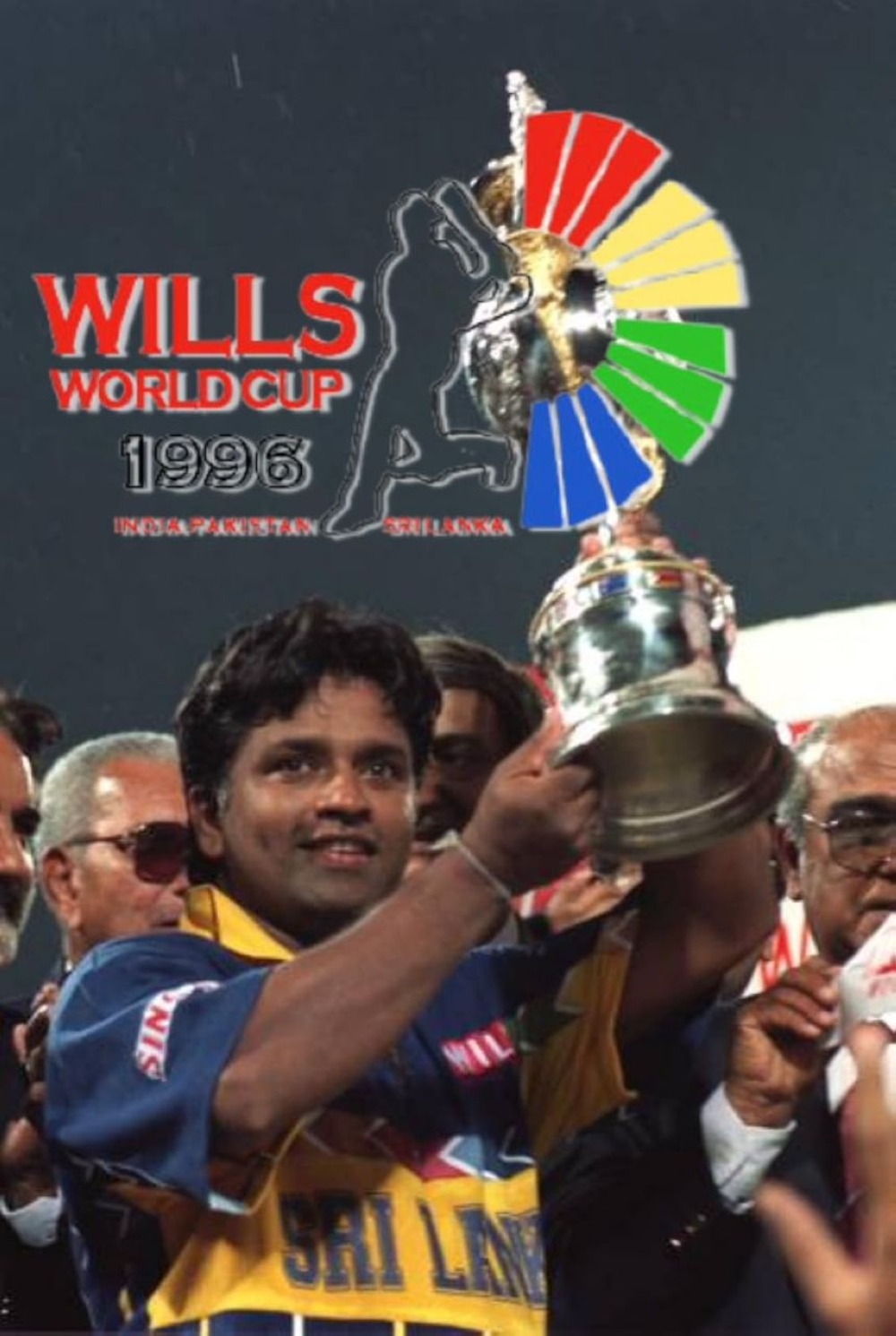
Captain Arjuna Ranatunga lifting the World Cup trophy in 1996.
A small island nation had just humiliated cricket’s old order.
And the sport has never quite been the same since.
Thirty years later, the men who pulled off that rebellion are coming to Kuala Lumpur.
In May, several members of Sri Lanka’s legendary 1996 World Cup squad will gather at the Royal Selangor Club to mark the anniversary of that extraordinary triumph. There will be a gala dinner on May 15 and, the following day, an exhibition match at Bukit Kiara where the Sri Lankan legends will face a Rest of the World side.
But this isn’t just a nostalgia tour for middle-aged cricket romantics.
At least, it shouldn’t be.
For former Malaysian national cricketer Devindran Ramanathan, who is helping organise the programme, the real goal is something much more important: lighting a fire under the next generation.
Sri Lanka’s story matters because it proves something uncomfortable for the cricket establishment — greatness does not always come from the usual places.
Sometimes it comes from small countries with stubborn people who refuse to stay in their lane.
As part of the weekend, about twenty Orang Asli schoolboys from Hulu Perak will be brought to Kuala Lumpur to take part in coaching clinics run by the Sri Lankan legends.
For kids growing up far from cricket’s traditional pipelines, meeting World Cup winners isn’t just exciting.
It’s destabilising.
It disrupts the quiet lie that greatness belongs only to the big countries.
The programme requires about RM500 per participant, with organisers hoping to raise roughly RM10,000 to cover travel, coaching sessions and equipment support over the coming months.
And if even one kid walks away believing the game belongs to him too, the weekend will have done its job.
Because the real lesson of 1996 was never about one trophy.
It was about rebellion.
It was about a team from a tiny island deciding that cricket’s old rules — the ones about who was supposed to win and who was supposed to clap politely — were optional.
Thirty years later, that message is still dangerous.
And that’s exactly why it matters.
* This is the personal opinion of the writer or publication and does not necessarily represent the views of Malay Mail.