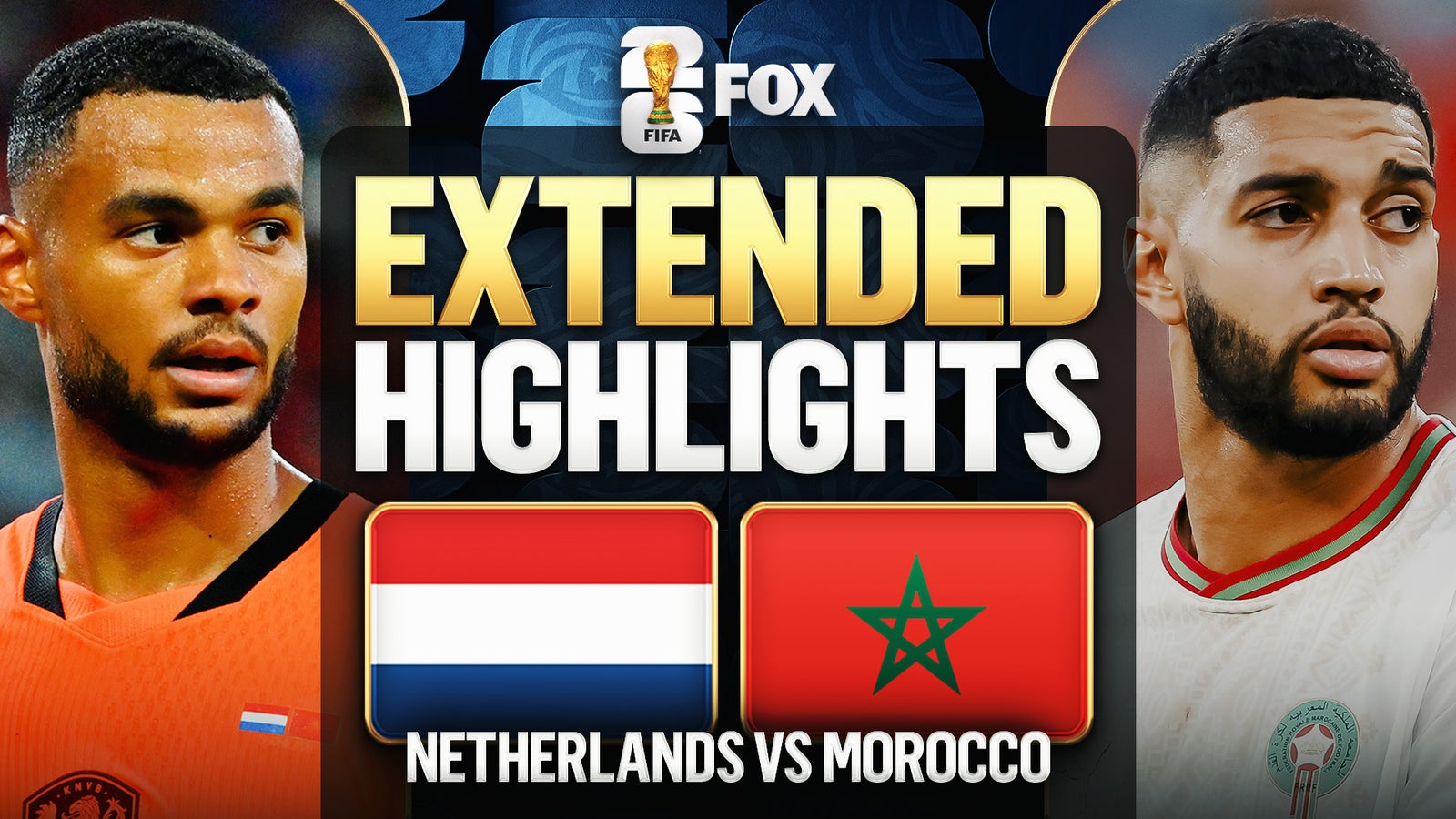
The Netherlands became yet another major European power to crash out of the 2026 FIFA World Cup when it was eliminated by Morocco in a shootout after a 1-1 draw. The result saw the better team prevail as the Atlas Lions were far more dangerous and aggressive over the full 120 minutes than an atypically defensive Oranje.
The Netherlands initially looked as if it was going to prevail against the run of play when Cody Gakpo scored shortly after the second half hydration break. But in stoppage time, Morocco finally found a way through an unlikely source in Issa Diop, a central defender who only joined the squad just before the tournament.
Here are my thoughts on the game.
1. Morocco Deserved The Shootout Win
FULL PENALTIES ⚽️ Netherlands vs Morocco 2026 FIFA World Cup™ Round of 32
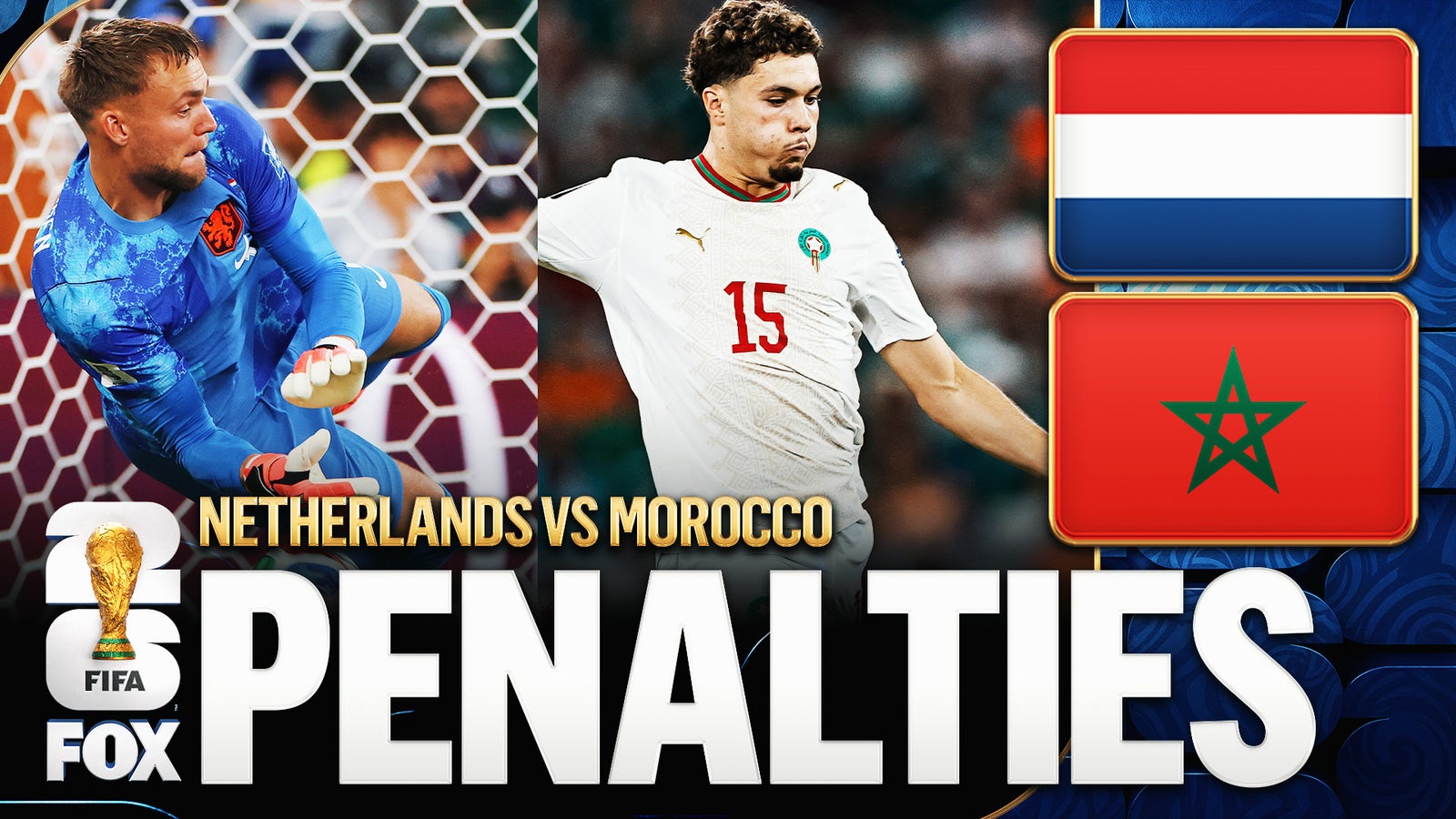
Once we got to penalties, it was clear that both sides had nerves. Quinten Timber and Justin Kluivert missed the targets completely on their attempts. Bart Verbruggen, who had been excellent all game, initially made a save on Soufiane Rahimi’s attempt, but after the ball got under him, he accidentally kicked it into his own goal.
Ultimately, it’s hard for the Netherlands to complain about the result. The team that had the better of play for almost the entire game advanced. Morocco was the more aggressive team and came to play. The Dutch, meanwhile, were tentative and defensive throughout. Towards the end of the game, it seemed as if the Netherlands players were trying to get to a shootout because it had no chance of finding another goal.
The Netherlands should be disappointed with its performance, not the missed shootout attempts.
2. Morocco Controlled The Game
In a matchup between two top 10 teams in the FIFA Rankings, the Netherlands started well in the opening minutes, but Morocco quickly grew into the game and controlled most of the first half. Normally an attacking team, the Netherlands had to defend far more than they expected and that immediately took them out of their game plan.
Just before the first hydration break, Neil El Aynaoui and Achraf Hakimi forced Netherlands goalkeeper Bart Verbruggen into a pair of reaction-saves. It was until just before first half added time when the Oranje finally tested Moroccan goalkeeper Yassine Bounou with a shot on target.
The strong start clearly rattled the Netherlands, and it set the tone for the match. Ronald Koeman’s team struggled to get into the game. Specifically, left-winger Cody Gakpo and forward Brian Brobbey were not dangerous for the first 70 minutes.
On the other hand, Morocco’s central midfield tandem of Neil El Aynaoui and budding teenage star Ayyoub Bouaddi controlled the pace of the game and ensured the game was played on their terms.
At the start of the second half, the Dutch head coach made no changes either with his lineup or his formation. If he had hoped that his team would naturally find its way, that was not the case. In the gap between the start of the second half and the hydration break, Morocco had 79%.
Even after the Netherlands took the lead, Morocco eventually reclaimed their dominance. In stoppage time, it was lopsided and it was only because of fantastic saves from Bart Verbruggen and classy emergency defending from Virgil van Dijk and Jan Paul van Hecke that Morocco did not easily win this game in 90 minutes.
3. Koeman’s Tactical Subs Gave Netherlands A Chance
While Koeman did not respond to his team’s slow start at halftime, he used the second half hydration break to his full advantage. He made two substitutions in Wout Weghorst and Teun Koopmeiners and opted for a more direct “Route 1” approach.
That could not have gone any better as it immediately resulted in the Dutch taking a lead. Koeman will get a lot of blame for the team’s elimination and its performance in the game, but his adjustment here gave his team a chance.
Both Gakpo and Crysencio Summerville were ineffective up to that point, but the direct approach along with the substitutes helped them. On a ball from Verbruggen, Weghorst headed the ball to Summerville with his first touch. Once in the box, he then slid it over to Gakpo for the goal.
It was a goal that was completely against the run of play up to that point, but it was also the result of a big tactical shift. For better or worse, the hydration break proved to be a key in this game as it gave Koeman time to speak with his players, make changes, and adjust.
4. Moroccan Desperation Paid Off
On a night when it looked as if Morocco was going to be punished for failing to put away any of its many chances in a dominating performance, desperation kicked in and the Atlas Lions found a way via an unlikely source.
Substitute midfielder Chemsdine Talbi had the ball deep on the left side and central defender Issa Diop made an attacking run up the middle which was risky, but necessary with his team chasing a goal late. It then gave Morocco four targets in the box to go against the four Dutch defenders.
Talbi then sent a long ball into the box, and with the Dutch defense spread thin, Diop was able to head home the dramatic equalizer.
As the Moroccan national team has only continued to grow as a world power since its run to the semifinal in 2022, one of the keys to its success is utilizing the large Moroccan communities in France, Spain, Netherlands, and Belgium for its players. This goal reflected that. Talbi previously represented Belgium at the youth national teams and Diop, several years ago, played for France. It was only last month when Diop filed his paperwork to switch to Morocco.
5. Gakpo’s Emotional Moment
Typically, players try to keep their personal and professional lives separate, but sometimes that is impossible. When Cody Gakpo scored in the 72nd minute, that was one of those moments. Over the weekend, Gakpo announced that he and his partner Noa van der Bij tragically lost their unborn baby, Elijah Raphael Gakpo, during van der Bij’s pregnancy.
When the ball hit the back of the net, Gakpo collapsed with emotion and all of his teammates, including those on the bench, came onto the field to support him.
It was the most human moment at this World Cup, so far, and it was hard to not admire Gakpo’s ability to focus on the game and deliver was a very important goal at the time.
Netherlands vs Morocco Extended Highlights 🌎🏆 2026 FIFA World Cup™ | Round of 32