


In search of a home, they tried Kolhapur, Guwahati and Ranchi. With time running out in a season where clubs have more responsibility than they have ever had in the Indian Super League (ISL), things were getting desperate. Then, at the proverbial last minute, Pune accepted Inter Kashi.
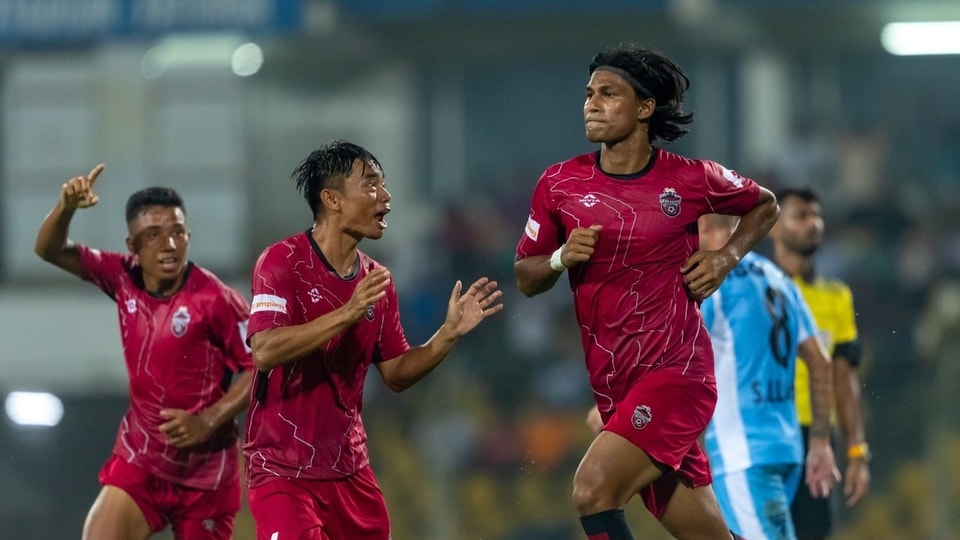
That meant adopting as home a stadium nearly 1500km away from Varanasi, where Inter Kashi are from. One that has not hosted ISL matches for years. For Kashi’s first home match, against Kerala Blasters, there were more supporters for the away team.
Nomadic state
Since Inter Kashi were founded in 2023, they have played I-League games in Kalyani near Kolkata. 2025-26 was their first season in the ISL and Inter Kashi initially offered to play all games away. “I still feel – kind of temporary about myself,” Willy Loman said in “Death Of A Salesman”. Inter Kashi would know.
Inter Kashi’s nomadic state reflects how ready stadia in Varanasi or Uttar Pradesh, a state with more people than Brazil, are for the ISL. Ditto Punjab FC continuing with Delhi as home. Inter Kashi president Prithvijit Das said the club asked the All India Football Federation (AIFF) to write to the Uttar Pradesh government for help to play in the state but does not know what came of it.
It would be easy to fling the rule book on Kashi and question why they were in Pune and not at a ground in India’s most populous state? But doing that would be like penalising Indian football academies for not having the kind of facilities they have in, say, Japan. Also, it would remove a club from the system at a time when investors are hard to come by.
It isn’t easy for ISL clubs to focus on infrastructure. Acquiring land rarely is in India. (Das said Kashi has land in Varanasi but the club’s investor has backed out.) Survival is a struggle for most clubs so talk of such spending can feel trite. Asia’s oldest extant clubs in Kolkata could and should have shown the way by moving from land that has never been theirs. Mohun Bagan, East Bengal and Mohammedan Sporting have been around since the 19th century but have little beyond legacy to call their own.
Beyond Mohun Bagan redoing their pitch once, little changed after the clubs joined the ISL, a competition that had promised functional academies at all franchises by 2018, four years after it began. It is ironic that Mohun Bagan, who spend heavily on players for the first team, do little about things that can serve a club’s long-term interest.
But it is equally true that investing in infrastructure is the only way for clubs to build lasting value. Real Madrid once moved from loss to profit by selling their training ground. With the surplus, the Galacticos were bought. Going into the season ISL turned 13, FC Goa CEO Ravi Puskur said club owners meeting twice can translate into a vote of confidence for corporate India. He is right. So would clubs building real estate.
State of pitches
Before their first match, away to Churchill Brothers, Mumbai City FC coach Manolo Marquez, never known for mincing words, said the long off-season leads to ill-maintained pitches. Early in their game on Sunday, after a pass was intercepted by Churchill Brothers in midfield, commentators spoke of how the park at Fatorda’s Jawaharlal Nehru Stadium was watered heavily and how when that dried, the ball wouldn’t move as fast. The point was made in the context of the pass that had shifted possession.
The state of the pitches early in the season could impede performance. Except at Salt Lake stadium which looks a cinch. That happened because Brazil came visiting. It was an eye-opener for India, said AIFF president Kalyan Chaubey speaking about the conditions set by the five-time champions for a surface they would deign to play on.
In a season that has begun well with upsets, excellent goals and the ISL on its way to becoming a hit on YouTube, it would benefit all stakeholders if they didn’t keep their eyes wide shut to such things.


