


Professional athletes are increasingly turning to business ventures to secure their financial futures after their playing careers end. Although professional contracts and sponsorships can earn players quite a bit of money, another way to make sure they have long-term security is through investment and start-up businesses. The former NFL player Jaylon Smith learned this when his investment in Oura paid off tenfold.
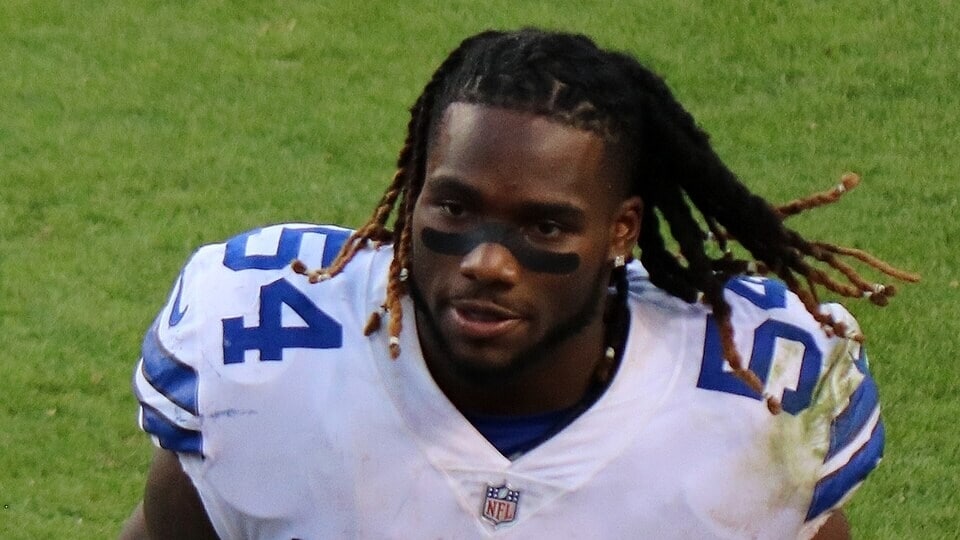
According to AFROTECH, Jaylon Smith made an investment of $ 100,000 in Oura through the company’s Series C funding round in 2021 when he was with the Dallas Cowboys team. Five years later, it said Smith cashed out for about $1 million, earning a profit of $1million before costs and taxes.
An early investment in wearable health technology
Smith said he invested because he understood how important recovery and performance are in professional sports. Founded in Finland in 2013, the company became known for its smart ring, a small wearable device that measures health metrics such as sleep, activity, heart rate, body temperature, and recovery. Unlike wrist-worn fitness trackers, the ring collects health data around the clock. While he was with the Dallas Cowboys, he learned about the investment opportunity through the RISE family office, a financial advisory firm that works with professional athletes and high-net-worth individuals. The company’s founder, Michael Ledo, helped introduce him to private investments. As Smith recognized value in the company’s product, he decided to invest $100,000 in Oura’s 2021 Series C round.
The company grew at a time when wearable health technologies were becoming more widely known to consumers, athletes, and healthcare researchers. That growth reflected rising awareness of sleep and health monitoring. Research published in Sensors analyzed sleep tracking devices used by consumers such as the Oura Ring, comparing their findings. The study highlighted both the potential and the limitations of wearable devices.
Oura’s growth and the reported tenfold return
Oura expanded its products and reach in the years after Smith invested in the company. In addition to adding sleep tracking capability, their smart rings gained other features relating to fitness, stress, heart health, and women’s health. Eventually, Oura expanded its retail reach and rolled out a new generation of its wearables. In September 2025, Oura revealed that it had sold over 5.5 million rings across the world.
The following month, the company raised $900 million in funding led by Fidelity Management and Research, valuing the company at approximately $11 billion. The fundraising event indicated growing investment interest in wearable technology. Smith’s investment benefited from the company’s growth. AFROTECH also reported that Smith exited his Oura stake during the company’s Series E funding round. The deal closed in February 2026. By this point, Smith’s initial investment had grown to about $1 million, giving him roughly a tenfold return.
Building a business portfolio beyond football
Oura’s departure by Smith is just one of the many investments that he had been making in ventures that are not centered on professional football. Through the RISE family office, he has ventured into various areas including consumer goods, restaurants, and finance. The investment is consistent with his intention to develop business ventures that would earn him money even after retiring from professional football. One of his notable business ventures is the JINYA ramen bar, a restaurant franchise. He established the first one in South Bend, Indiana, near the University of Notre Dame in July 2025. He also intended to grow the restaurant chain throughout Indiana with eight to ten outlets.
Other ventures that he had undertaken include CEV collection, a brand of eyewear that is available in over 500 Sam’s Club stores, and cycle management group, a finance service firm. Additionally, he has been involved in developing an insurance company together with his brother under the partnership of Globe Life. The exit from Oura serves as a case to show how Smith has taken advantage of other business opportunities apart from football to achieve his financial aspirations. While private investment always comes with risk, and high gains cannot always be assured, his example shows the advantage of identifying profitable businesses early on and maintaining a diverse investment portfolio.


