


Clint Dempsey didn’t hesitate.
When I asked arguably the greatest American soccer player of all time what the U.S. men’s national team must do to keep its fans engaged and create new ones before the next World Cup arrives in 2030, Dempsey — the USMNT’s all-time co-scoring leader and a FOX Sports analyst during the 2026 tournament — was unequivocal.
“Win,” Dempsey told me during a post-World Cup interview. “Score goals, keep clean sheets, get the people excited and out of their seats because you’re fighting for your country, making them proud. I mean, that’s what it’s all about, right?”
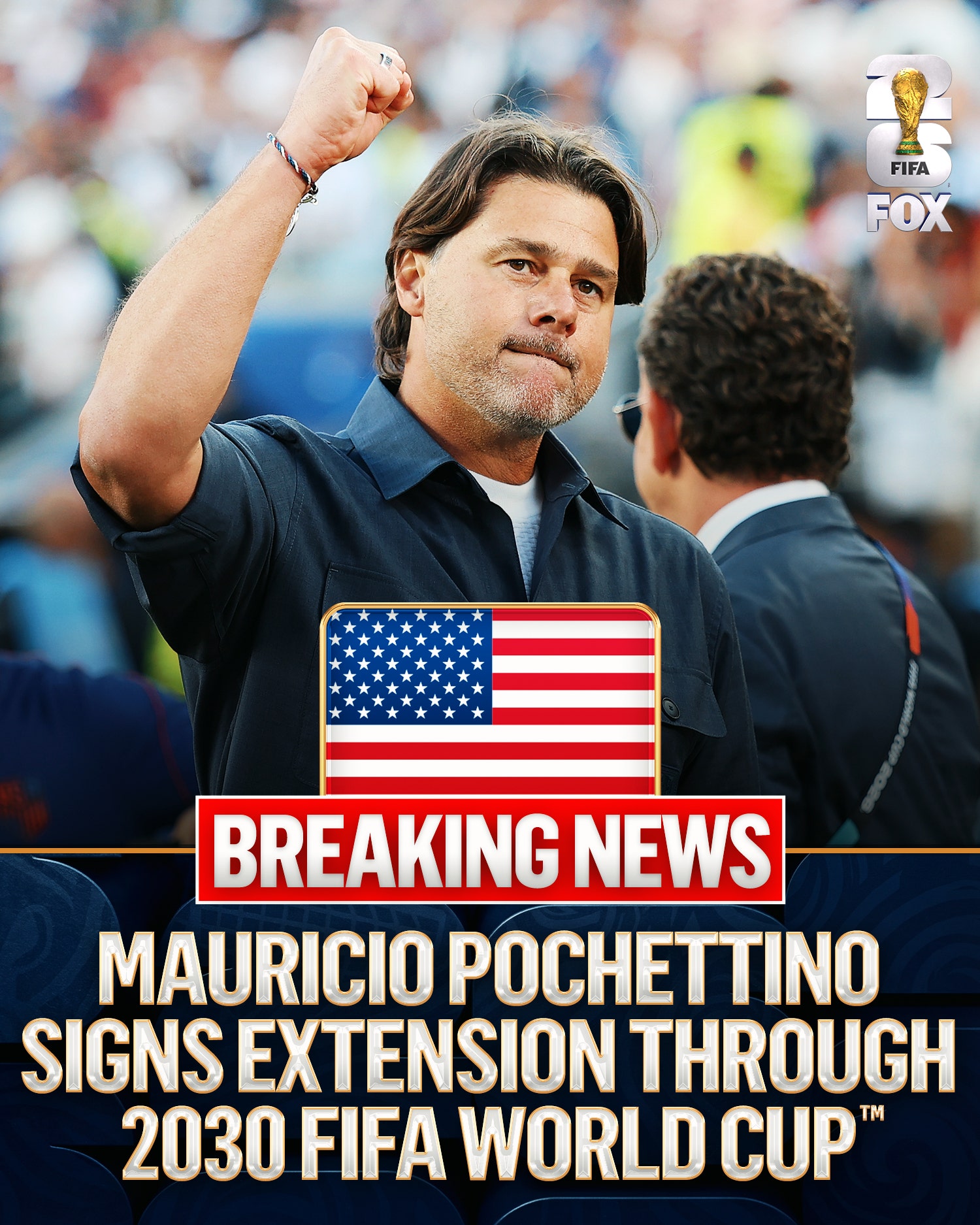
Right. And for three games at the first World Cup held on American soil in three decades, the home team did all of that. Those emphatic group stage wins over Paraguay and Australia, and another in the new round of 32 against Bosnia and Herzegovina, were enough to convince the U.S. Soccer Federation to offer Pochettino a new four-year contract despite a 4-1 loss to Belgium in the round of 16. The deal became official on Monday, giving the 54-year-old Argentine — who took over the program less than two years before the last World Cup — an entire cycle to build a squad to compete on the biggest stage in sports.
Before that, lots of games must be played. The USSF is expected to announce the first slate of exhibition games on the road to 2030 later this week. There are Concacaf Nations League matches in November and March. The 2027 Concacaf Gold Cup follows in June. In 2028, there’s a Summer Olympics in Los Angeles and almost surely another U.S.-hosted Copa América — the South American championship.
In other words, to Dempsey’s point, a lot of opportunities for Poch and his players to continue to endear themselves to the broader American public before the main event returns four summers from now.
With that in mind, here are five things Pochettino must accomplish before the 2030 World Cup arrives.
1. Uncover Fresh Talent
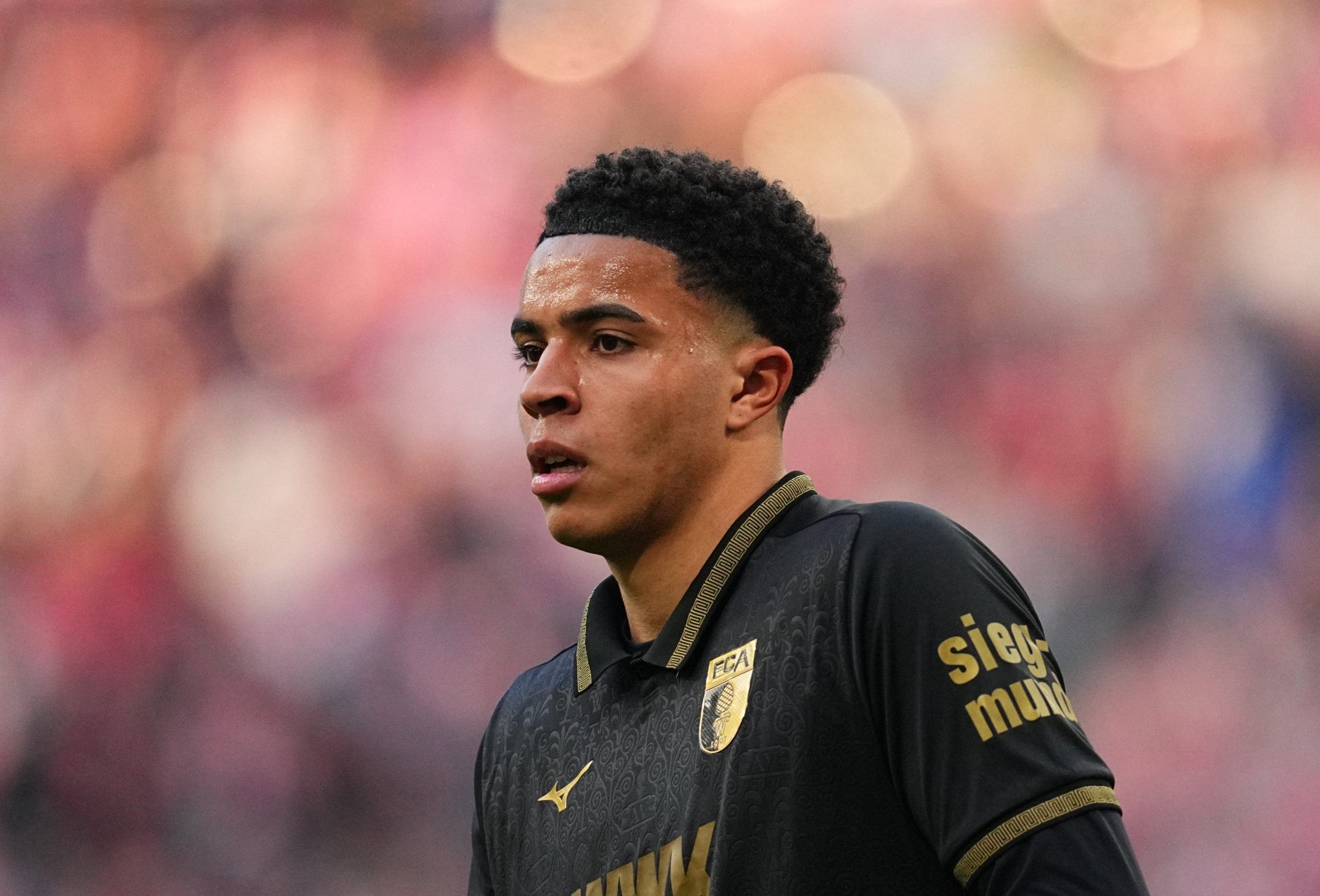
Noahkai Banks remains an intriguing prospect at center back. (Photo by Ulrik Pedersen/NurPhoto via Getty Images)
While the U.S. needs upgrades in several areas, no positions are thinner than central defense and goalkeeper. Premier League veteran Chris Richards, 26, will remain the Americans’ defensive anchor. But his partner, captain Tim Ream, is now two months shy of his 39th birthday and has probably played his last game for the national team.
Finding newcomers who can challenge reserve center backs Mark McKenzie and Miles Robinson for Ream’s vacated spot will be both crucial and challenging. There simply aren’t many good young American center backs, in MLS or overseas.
Landing 19-year-old German-American Noahkai Banks would be huge. But don’t be surprised if Poch drafts in guys like 29-year-old Vancouver Whitecaps mainstay Tristan Blackmon, who made two U.S. starts last year.
In goal, Poch now has two keepers with World Cup experience in Matt Freese and Matt Turner. Both should be in the mix going forward, but there will be chances for others to push them. Among those are World Cup third-choice keeper Chris Brady, Barcelona prospect Diego Kochen and 19-year-old FC San Diego starter Duran Ferree. It should be a wide-open race for the next couple of years at least.
2. Win Next Year’s Concacaf Nations League And Gold Cup
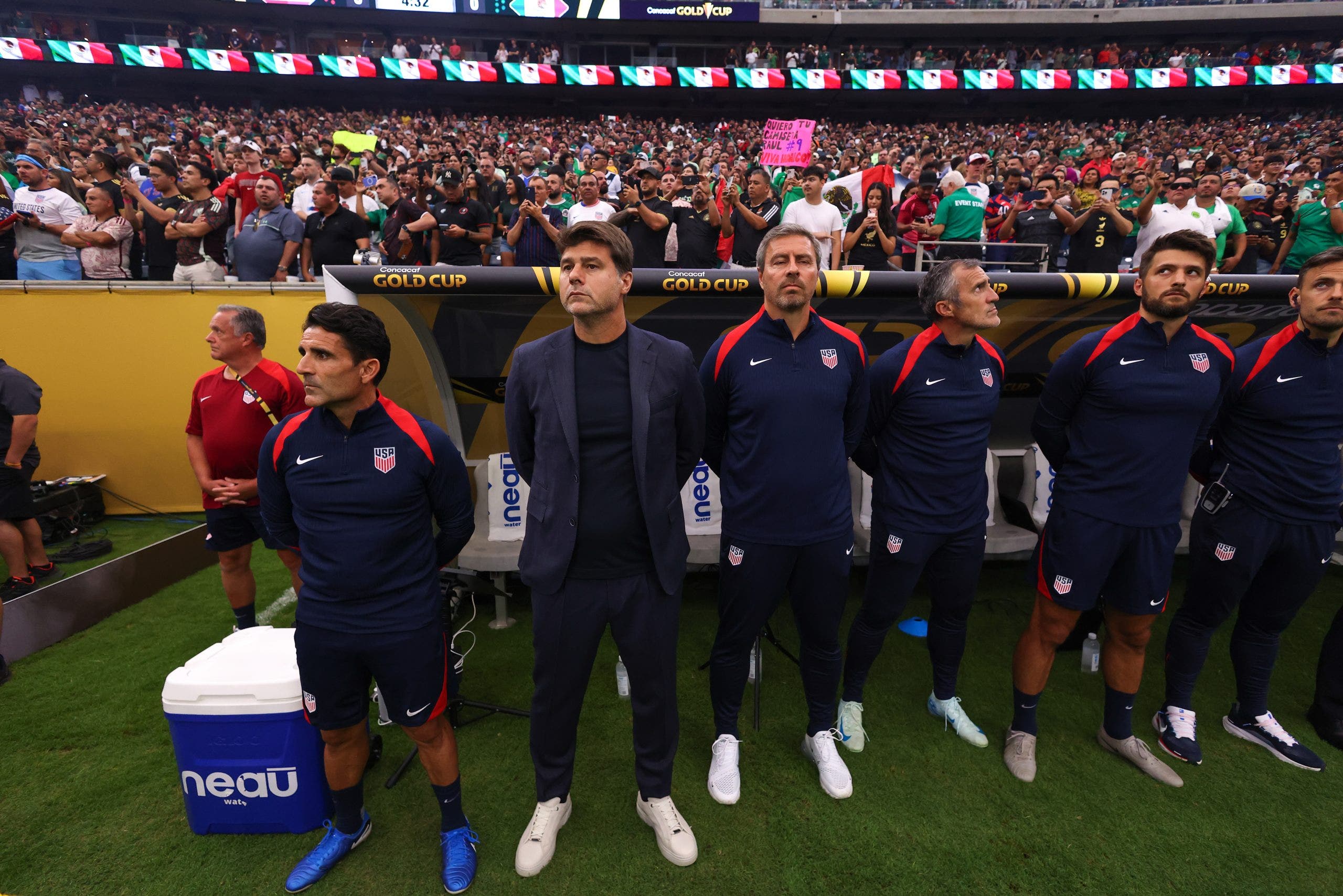
Mauricio Pochettino will aim to win one of Concacaf’s major trophies first. (Photo by Robbie Jay Barratt – AMA/Getty Images)
The U.S. won the first three editions of the new regional competition, beating blood rival Mexico in the final in 2021 and 2024 (and in the semis in 2023). But they didn’t even make it to the decisive match in Pochettino’s maiden Nations League trip, losing to Panama in the semis and Jesse Marsch-led Canada in the third place game.
Getting back to the title bout next March would show progress. Winning the first available trophy this cycle would be an even better signal of intent. It would also give themselves momentum heading into the second regional championship of 2027 just a few months later.
After the Nations League debacle in 2025, Pochettino used the Gold Cup to reset the mentality of the U.S. team. Or at least he tried to: Christian Pulisic, the Americans’ most important attacking player, withdrew from consideration citing fatigue. Same for Yunus Musah, another American starter at the 2022 World Cup. A slew of other regulars — including striker Folarin Balogun, midfielder Weston McKennie, and left back Antonee “Jedi” Robinson — also missed the tourney because of injury or FIFA Club World Cup commitments.
But those who Pochettino summoned instead took advantage of the opportunity. Players like Sebastian Berhalter and Alex Freeman, who didn’t have a cap before that summer, would both go on to score at the 2026 World Cup.
But the 2025 Gold Cup literally ended in tears for Pochettino, as the U.S. lost to Mexico in front of 71,000 mostly green-clad fans in Houston.
This summer, expect all the top Americans to participate. If they do, there’s no reason the U.S. can’t claim the Gold Cup for the eighth time and first since 2021.
3. Make Deep Runs At The Copa América And Olympics In 2028
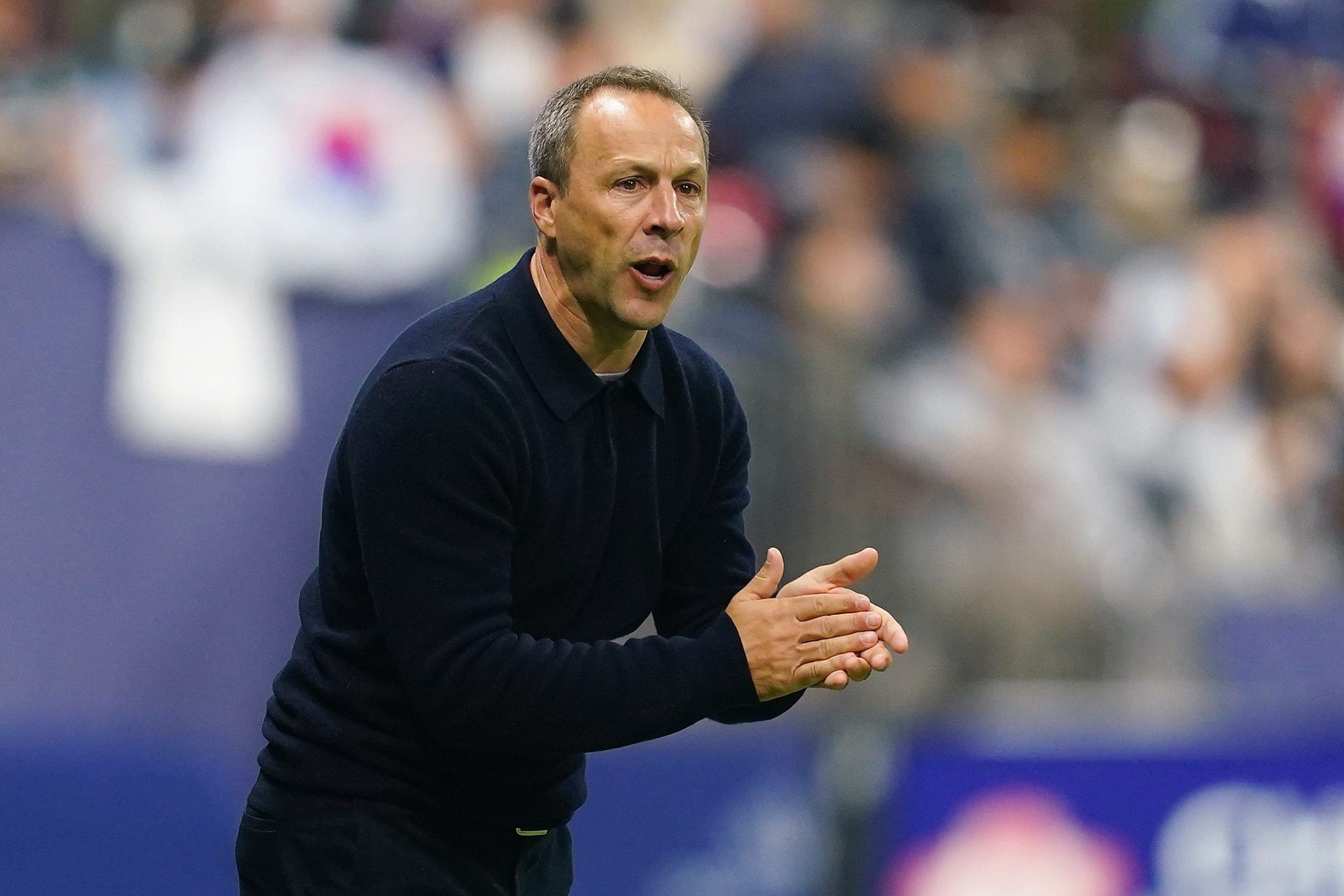
Steve Cherundolo will be in charge of the USA at the Olympics (Photo by Rich Lam/Getty Images)
The U.S. under-23 national team will have home-field advantage at the Olympics. It’s imperative that they don’t squander it. So it will be fascinating to watch how Poch and U-23 boss Steve Cherundolo decide which players get sent to what team. Will Cherundolo have first dibs on youngsters like 19-year-old Zavier Gozo? What three overage players will the former U.S. defender have access to? Because the best U.S. won’t be available for both the Olympics and Copa.
The Americans have history in the latter, reaching the semis in 2016 and in Uruguay in 1995, when they stunned Poch’s native Argentina 3-0.
But things didn’t go nearly as well two years ago. Under former coach Gregg Berhalter, the red, white and blue became the first Copa América host ever to be eliminated before the knockout stage.
Making a deep run in 2028 is therefore important for several reasons. It’s just two years before the next World Cup, obviously. But a successful Copa would also give the Americans the confidence that they can beat better foes. The same goes for the Summer Games; Spain’s World Cup-winning roster had 12 former Olympians on it. Meanwhile, Miles Robinson was the lone member of the 2024 U.S. Olympic team on Pochettino’s 26-man World Cup squad.
4. Beat One Of Soccer’s Iconic Teams
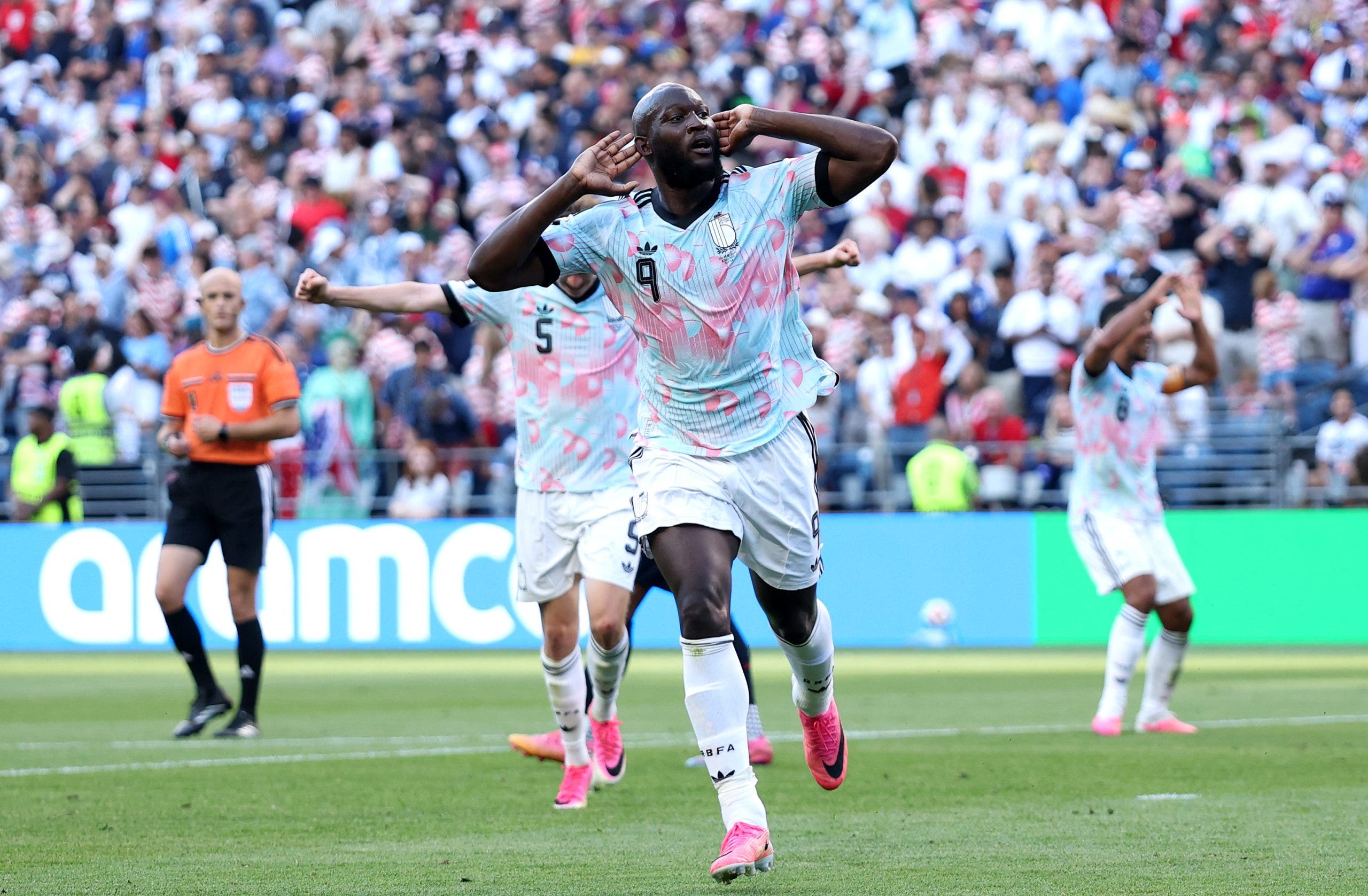
Belgium took out the USA at the 2026 World Cup. (Photo by Jamie Squire/Getty Images)
In the not-too-distant past, the U.S. upset the sport’s superpowers regularly frequently. The Americans topped Portugal at the World Cup. A Dempsey goal helped stunned European champ Spain in the semifinals of the 2009 FIFA Confederations Cup. In friendlies, they beat former World Cup champs like Germany and Italy.
But it’s now been more than a decade since the Stars and Stripes beat one of FIFA’s Top 10 squads. In the last two months alone, they lost to Germany and Belgium. Chances to test themselves against elite opposition don’t come often for the current generation of U.S. players; the advent of Europe’s own Nations League has made it harder to schedule non-official matches against that continent’s best. That only makes it more crucial to take advantage of the next opportunity against one of soccer’s best.
5. Qualify For The 2030 World Cup
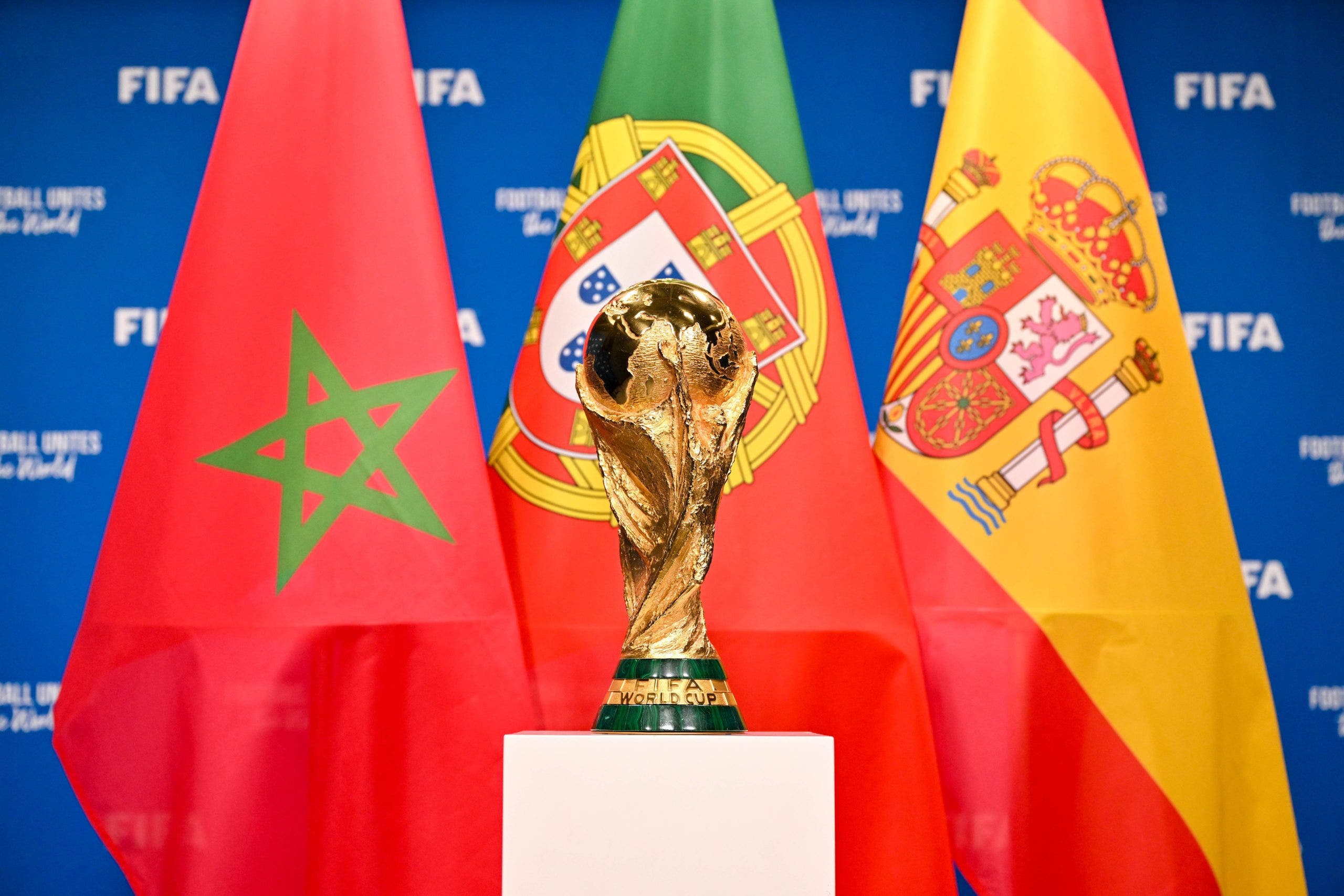
Three countries – Morocco, Portugal, Spain – will serve as the hosts of the 2030 World Cup. (Photo by Harold Cunningham – FIFA/FIFA via Getty Images)
It sounds simple and it should be. Even if the next World Cup doesn’t end up expanding from the 48 nations that participated next summer to 64, Concacaf will have as many as seven slots for 2030. (When the Americans famously failed to reach the 2018 event, they finished fifth in a single-table format.)
Still, as the 2026 World Cup showed, soccer’s smaller countries are getting more competitive with each passing year. Neither Costa Rica nor Honduras, which both qualified for multiple 32-team World Cups this century— the Ticos even reached the quarters in 2014 — made the cut for 2026 despite the additional berths.
So while the ultimate goal is success at the World Cup itself, “First,” Pochettino acknowledged, “We need to qualify.”


